Homebuyer Score
Should you buy a home in Mumbai?
The average home loan in Mumbai is ₹75.00 L with an approval rate of 68% and average interest rate of 8.7% per annum as of 2026.
The average home loan in Mumbai is ₹75.00 L with an approval rate of 68% and average interest rate of 8.7% per annum as of 2026.
With a monthly salary of ₹60,000, you may be eligible for approximately ₹39.00 L in Mumbai. Lenders typically approve 60–72× your monthly net salary, subject to CIBIL score and existing EMI obligations.
Should you buy a home in Mumbai?
Is Mumbai a good market for home loan business?
Weekly Mumbai Market Pulse
Get interest rates, price trends, and one actionable tip for Mumbai — every Monday morning. Free.
No spam. Unsubscribe anytime. · Follow multiple cities →
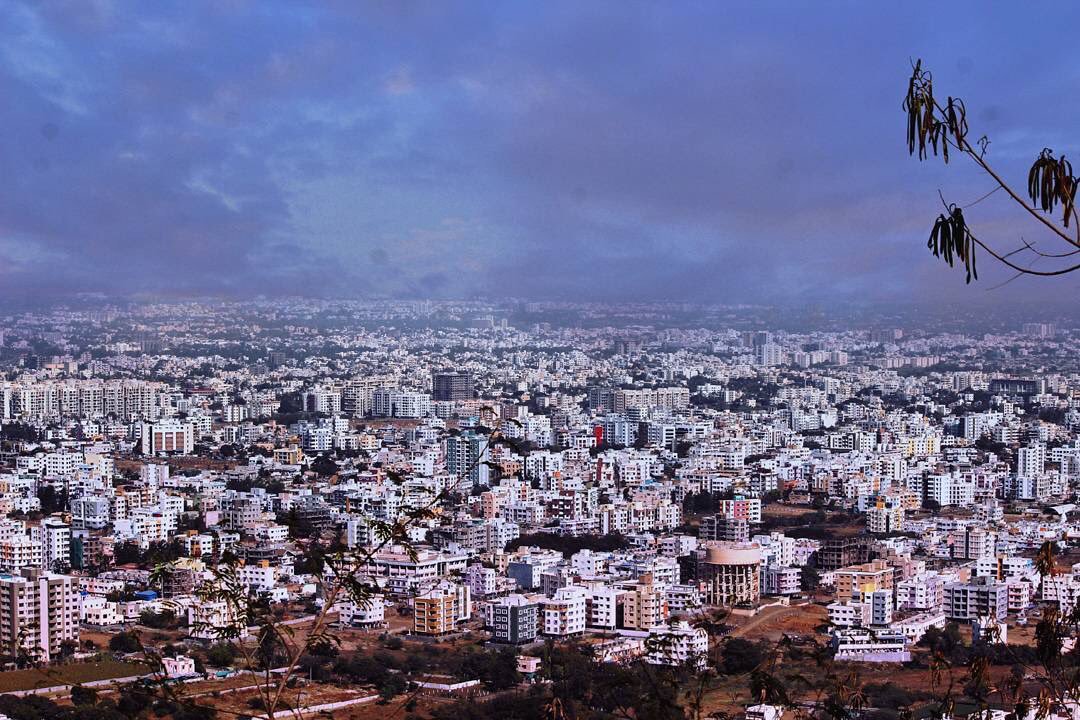
Mumbai is a Tier 1 city in Maharashtra with a population of 2,06,67,656. The average household income is ₹95,000/month, with 62% of the workforce in salaried employment, 28% self-employed, and 10% in government jobs.
Property prices in Mumbai currently average ₹22,000 per sqft, having grown 6.8% in the last year and 31% over the past 5 years. Rental yield stands at 2.6%, making it comparable to other major Indian cities.
With 2,840 bank branches and 410 NBFC offices, Mumbai has excellent lender availability. The average home loan approval rate of 68% is in line with the national average.
Infrastructure development is strong, with upcoming projects including Mumbai Coastal Road, Metro Line 3, Trans Harbour Link. These developments are expected to support continued property price appreciation and loan demand.
Population
2,06,67,656
Avg Household Income
₹95,000/month
Salaried Workforce
62%
Avg Loan Tenure
19 years
Avg Property Price
₹22,000/sqft
1-Year Price Growth
+6.8%
5-Year Price Growth
+31%
Rental Yield
2.6%
Bank Branches
2,840
NBFCs Active
410
Digital Lenders
Yes
Metro Connectivity
Yes
Upcoming Infrastructure Projects
Source: NHB RESIDEX trend range, Census 2011 + extrapolation. Data is for informational purposes — verify with your lender before applying.
Where to buy, who should invest, and what to avoid in Mumbai's property market.
First-time homebuyers in Mumbai typically have the best luck with emerging townships and new-launch complexes along the city's growth corridors. At the current average of ₹22,000/sqft, a 650 sqft 2BHK costs approximately ₹1.43 Cr, and a 950 sqft 3BHK around ₹2.09 Cr — before parking, registration, and stamp duty (typically add 8–10% to the base cost in Maharashtra).
Prioritise metro-connected areas to keep commute costs low and improve future resale value. Ready-to-move-in inventory is often safer for first-time buyers than under-construction projects — you avoid the 5% GST and eliminate delivery-delay risk. Focus on getting your CIBIL above 720 and keeping your EMI-to-income ratio below 50% — this significantly improves approval odds in Mumbai.
Professionals working near Mumbai's tech and business parks often find better value in planned micro-markets within 30–45 minutes of major employment nodes.
Mumbai is a moderate rental market with a rental yield of 2.6%. Combine this with strong 5-year appreciation of 31% and the risk-adjusted case for real estate investment in Mumbai is reasonable.
Zones near upcoming projects — Mumbai Coastal Road and Metro Line 3 — typically see 10–20% faster appreciation than the city average. Mumbai's airport proximity (8 km) is a consistent demand driver for both commercial rentals and short-stay properties.
Be cautious about ultra-premium micro-markets where per-sqft rates exceed ₹31K — these carry a speculative premium not always backed by equivalent rental yields in Mumbai. These pockets tend to attract speculative demand that may not hold up in a market correction. Always verify the builder's RERA registration, check for encumbrances on title, and request a certified copy of the approved building plan before signing any agreement in Mumbai.
With Mumbai's rental yield at 2.6%, pure buy-to-let strategies need careful financial modelling before committing.
Projects without Occupation Certificates (OC) can create long-term issues with utility connections, resale, and refinancing — this applies to all micro-markets in Mumbai, regardless of price tier.
Rates are indicative starting rates. Final rate depends on your profile.
| Lender | Interest Rate | EMI per ₹1L | Max Loan | Processing Fee | Action |
|---|---|---|---|---|---|
 PNB PNB | 8.25% – 9.35% | ₹849/lakh | ₹30 Cr | Waived | Apply Now → |
 Canara Bank Canara Bank | 8.25% – 11.25% | ₹849/lakh | ₹30 Cr | 0.25% + GST | Apply Now → |
 Bank of Baroda Bank of Baroda | 8.3% – 10.6% | ₹852/lakh | ₹30 Cr | 0.25% + GST | Apply Now → |
 Union Bank Union Bank | 8.35% – 10.75% | ₹855/lakh | ₹30 Cr | 0.25% + GST | Apply Now → |
 SBI SBI | 8.4% – 9.65% | ₹857/lakh | ₹30 Cr | ₹15,000 + GST | Apply Now → |
BH Bajaj Housing | 8.48% – 15% | ₹861/lakh | ₹30 Cr | 0.35% + GST | Apply Now → |
 LIC HFL LIC HFL | 8.5% – 10.75% | ₹863/lakh | ₹30 Cr | ₹10,000 + GST | Apply Now → |
 HDFC Bank HDFC Bank | 8.5% – 9.85% | ₹863/lakh | ₹30 Cr | 0.5% + GST | Apply Now → |
 ICICI Bank ICICI Bank | 8.65% – 9.9% | ₹872/lakh | ₹30 Cr | 0.5% + GST | Apply Now → |
 Kotak Bank Kotak Bank | 8.7% – 9.85% | ₹875/lakh | ₹30 Cr | 0.5% + GST | Apply Now → |
AB Axis Bank | 8.75% – 13.3% | ₹878/lakh | ₹30 Cr | 0.5% + GST | Apply Now → |
 Tata Capital Tata Capital | 8.75% – 12% | ₹878/lakh | ₹20 Cr | 0.5% + GST | Apply Now → |
 IDFC First IDFC First | 8.85% – 21% | ₹882/lakh | ₹30 Cr | 0.5% + GST | Apply Now → |
Rates as of 27 July 2026. Updated after every RBI policy announcement. Actual rate depends on your profile.
How interest rate and tenure affect your monthly outgo on a ₹40,00,000 home loan in Mumbai. Current city average is 8.7%.
| Interest Rate | 15-yr EMI / mo | 20-yr EMI / mo | Total Interest (20 yr) |
|---|---|---|---|
| 8.40% | ₹39,155 | ₹34,460 | ₹42.70 L |
| 8.75%Mumbai avg | ₹39,978 | ₹35,348 | ₹44.84 L |
| 9.50% | ₹41,769 | ₹37,285 | ₹49.48 L |
| 10.50% | ₹44,216 | ₹39,935 | ₹55.84 L |
EMI calculated on principal of ₹40,00,000 with reducing-balance method. Total interest is the cost of borrowing over the full 20-year tenure. Prepayment can reduce this significantly — use our prepayment calculator to model savings.
Timing your property purchase in Mumbai can save you 3–8% in negotiation and financing costs.
Jan
Bank new-year rate schemes
Feb
Pre-budget — calm for negotiation
Mar
FY-end motivated sellers
Apr
Summer slowdown
May
Limited new launches
Jun
Monsoon — avoid site visits
Jul
Under-construction delays
Aug
Some Independence Day offers
Sep
Pre-festive activity picks up
Oct
Navratri / Dussehra — top deals
Nov
Diwali — peak buying window
Dec
Builder year-end deals
October–November (festive season) is consistently the best window to buy property in Mumbai. Navratri, Dussehra, and Diwali bring aggressive builder incentives — stamp duty waivers, free parking, kitchen modular fit-outs, and sometimes direct GST absorption on under-construction units. Major banks and NBFCs also launch festive home loan campaigns with processing fee waivers and introductory rate offers during this period.
December–Februaryis the second-best window. Builders facing year-end inventory targets are more open to price negotiations in December. January and February see new project launches and bank "new year" rate campaigns. This period is also practical for site visits — weather is mild across most of India, including Mumbai.
June–August (monsoon) is the weakest period for buying in Mumbai. Site visits are uncomfortable, under-construction projects stall, and transaction volumes drop. If you must transact in monsoon, insist on a ready-to-move-in property and negotiate hard — sellers know demand is low.
On GST:Under-construction properties attract 5% GST (no input credit), while ready-to-move-in apartments with an Occupancy Certificate (OC) are GST-exempt. On a ₹50L under-construction flat, that's ₹2.5L extra — factor this into your total cost of ownership in Mumbai.
Mumbai has a solid home loan approval rate of 68%, so a strong CIBIL score meaningfully improves your odds across all lenders here.
You qualify for the lowest available rates in Mumbai — SBI, HDFC Bank, ICICI Bank, Kotak, and Bank of Baroda will all compete for your business. Expect home loan rates starting from 8.40–8.75% with processing fees often waived or capped at ₹5,000. Pre-approved loan offers are common at this score band. Loan-to-value for home loans goes up to 90% of the property value.
Most major banks in Mumbai will approve you, though typically at rates 0.25–0.50% above the best available. Some lenders may ask for a co-applicant or request additional income documents. Loan-to-value is capped at 80–85% for home loans. Focus on paying down any active credit card balances before applying — even a 3-month improvement in utilisation can push your score above 750.
Most PSU banks and conservative private lenders will decline or significantly reduce the loan amount. In Mumbai, the NBFC route becomes more viable here — with 410 NBFCs operating in the city, options like Bajaj Finserv, Tata Capital, L&T Finance, and Piramal Finance can still finance your home purchase, typically at a 1–2% rate premium. A co-applicant with a 750+ score can significantly improve your chances with bank lenders.
Getting a home loan in Mumbaiat this range is very difficult through conventional channels. Recommended steps: (1) pay off any overdue balances and credit card dues immediately; (2) keep credit card utilisation below 30%; (3) don't apply for new credit for at least 6 months — hard enquiries pull your score down; (4) check your CIBIL report for errors (free once a year at cibil.com). Most people see a 40–70 point improvement in 12–18 months with disciplined financial habits.
CIBIL scores range from 300 to 900. Scores above 750 are considered excellent by most lenders in India. Free score check: CIBIL.com (once/year), or via your bank's app (no hard enquiry, safe to check monthly).
Toggle between employment types. Having all documents ready before applying reduces processing time from 15+ days to 3–5 days at most lenders in Mumbai.
Identity & Address
Income Documents
Employment Proof
Property Documents
Requirements vary by lender and loan amount. Some banks may ask for additional documents or waive certain ones for pre-approved customers. Always confirm the exact list with your bank before visiting.
The average home loan in Mumbai is ₹75.00 L. Banks typically approve 60-72x your monthly net salary. With a ₹60,000 monthly salary in Mumbai and no existing EMIs, you may be eligible for approximately ₹36.00 L to ₹43.20 L. The approval rate in Mumbai is 68%. Current average interest rate is 8.7% p.a.
The average home loan interest rate in Mumbai is 8.7% per annum as of 2026. Rates start from 8.4% (SBI) for the best applicant profiles, across Mumbai's 2,840 bank branches and 410 NBFC offices. Self-employed applicants and those with CIBIL below 700 typically get rates 1–2% higher.
Mumbai has an estimated home loan approval rate of 68% based on aggregated lender data from 2,840 bank branches and 410 NBFCs. This is around the national average of 68–70%. Key factors that improve approval chances: CIBIL score above 750, stable employment of 2+ years, and total EMIs below 50% of income.
SBI, HDFC, and ICICI offer the most competitive starting rates for home loan in Mumbai. Mumbai has 2,840 bank branches and 410 NBFC offices, giving applicants strong choices, with an average ticket size of ₹75.00 L. For self-employed applicants or lower CIBIL scores, NBFCs like Bajaj Finserv and Tata Capital offer more flexible eligibility.
Mumbai has a Homebuyer Score of 55/100. Property prices average ₹22,000/sqft and have grown 6.8% in the last year and 31% over 5 years. Rental yield of 2.6% is average for the market. Upcoming projects like Mumbai Coastal Road signal strong future infrastructure growth.
Mumbai mein होम लोन ki average amount ₹75.00 L hai. ₹60,000 monthly salary par aap approximately ₹39.00 L tak ka होम लोन le sakte hain Mumbai mein. Mumbai mein होम लोन approval rate 68% hai aur average interest rate 8.7% per annum.
Free · No spam · Matched lenders